Trip Planner 2.0
A self-initiated concept. Not shipped. Not validated. But the problem was very real.
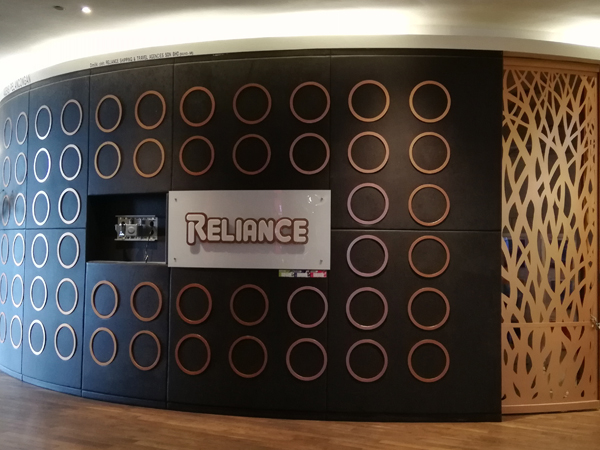
Reliance Travel closed in April 2019. A Malaysian travel agency that ran for nearly 40 years — known for trust, group tours, personal service. Shut down. Employees received "thank you letters." Customers couldn't get tour refunds.
This concept started as someone else's vision — a boss who saw where travel was going before the industry did. It never launched. I picked it up and finished the thinking.
This project asks: what if they hadn't closed? What could Reliance have become?
The Real Problem
Reliance didn't close because they were bad at travel.
They closed because digital-first platforms changed how people book. Booking.com. Airbnb. Skyscanner. The traditional travel agency model — walk in, talk to an agent, book a package — became inconvenient overnight.
But digital platforms created a new problem: Decision fatigue.
Open 10 tabs. Compare flights. Read hotel reviews. Cross-reference activity blogs. Build a spreadsheet. Spend 4 hours planning and still haven't booked anything.
Trip planning became admin work. The excitement gets buried before you even pack a bag.
Travellers don't need more choices. They need someone to say: "Here's your trip. Here's the price. Do you want it?"
That's what a good travel agent used to do. That's what AI can do now.
The Concept
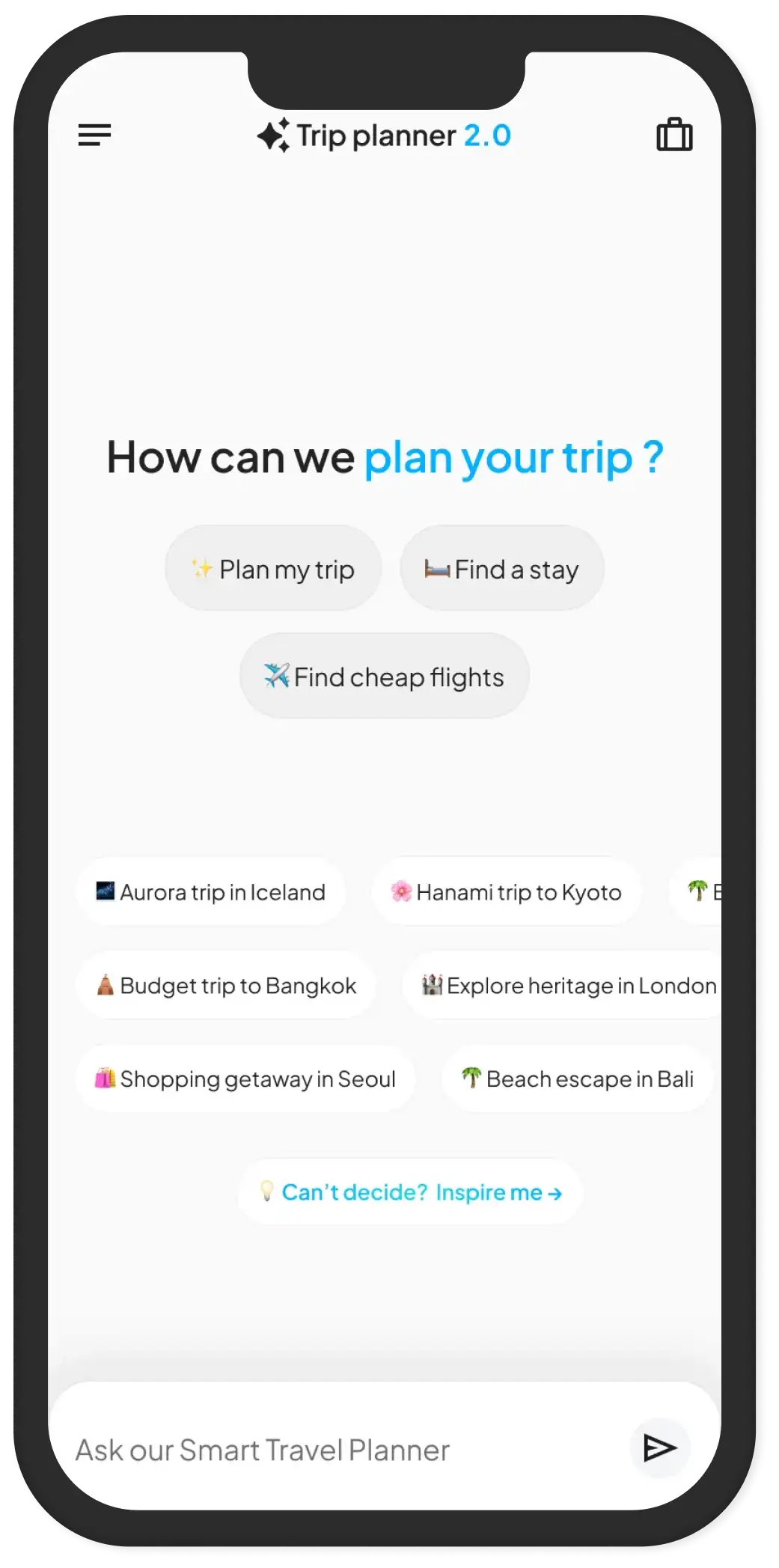
"Plan your trip in one sentence."
"A five-day food trip to Osaka under RM6,000."
One prompt. The system generates a complete itinerary — flights, hotels, experiences, day-by-day plan. Refine, regenerate, or book.
No dropdowns. No filters. No comparison grids. Just conversation.
The positioning: Not "we have the cheapest flights." But "we know you, we know what you need, here's your trip."
That's a differentiation Booking.com can't buy. That's what Reliance's 40 years of trust could've anchored.
Who I Designed For
I designed for three user types — solo traveller, returning user, and couple. These were assumed archetypes, not validated through research.
What would make this stronger: 5 interviews with real Malaysian travellers about how they actually plan trips today. The archetypes are reasonable starting points. But "reasonable" isn't the same as "validated."
What I Designed
Landing screen: Single conversational prompt. Preset inspirations for users who don't know where to start. Removes cognitive friction of traditional booking forms.
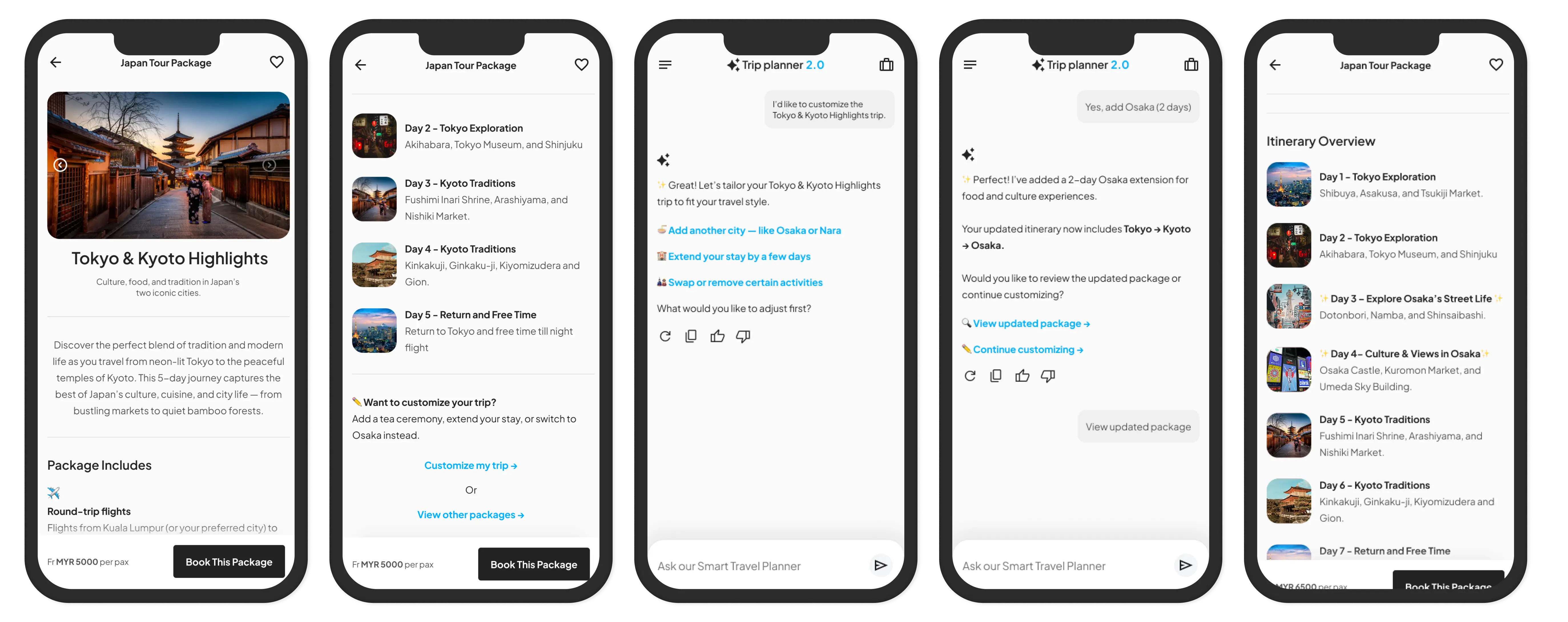
AI itinerary results: Curated trip options matching intent, budget, and duration. Not endless listings — 3 strong options. Interactive, refinable, expandable.
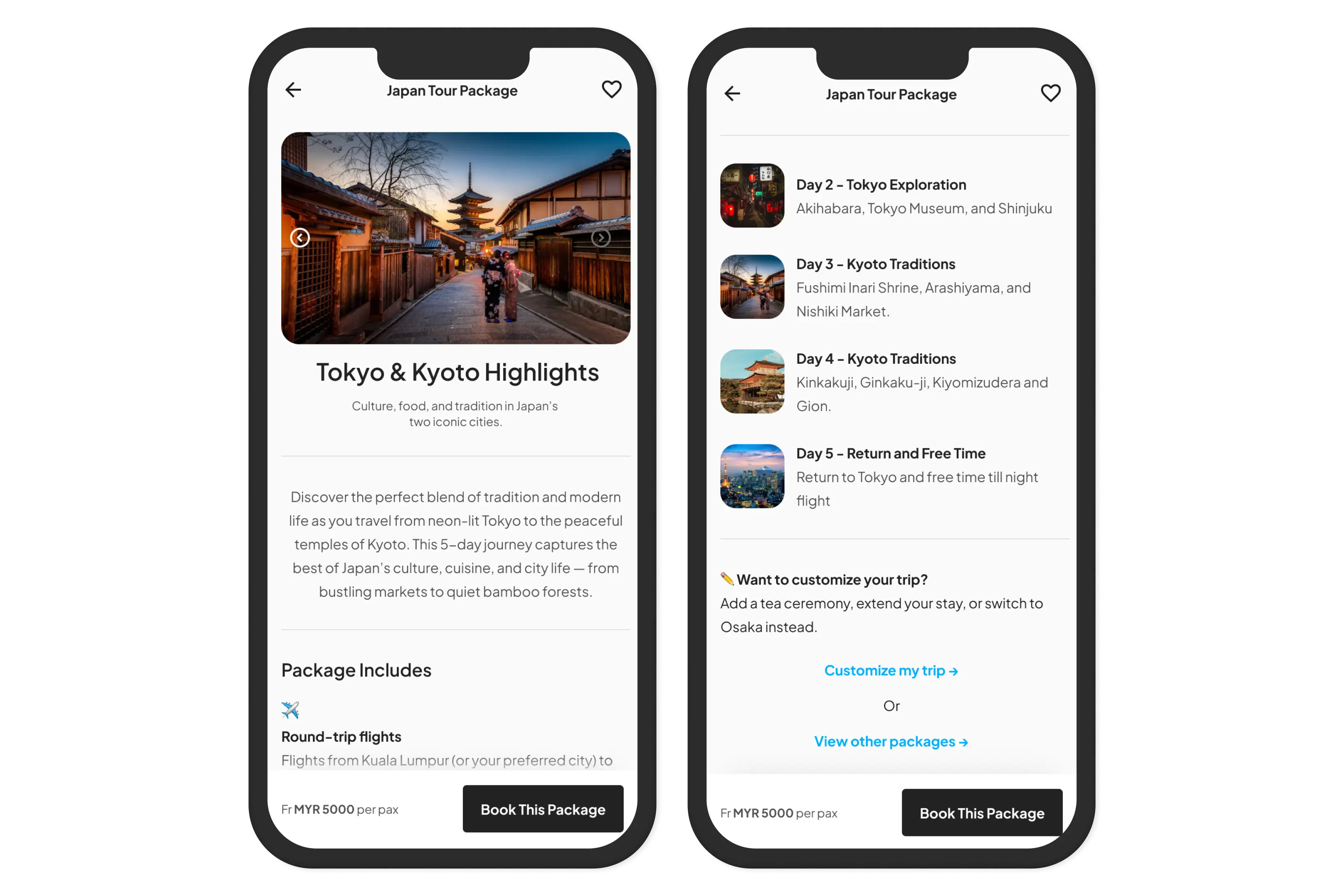
Trip detail: Day-by-day itinerary with flights, hotels, experiences. Clear pricing. One-tap to book each component.
Returning user flow: Direct booking path available without the conversational flow. Same platform, different entry point for users who already know their destination.
The Honest Part
This is a concept. Not shipped. Not tested.
The decision fatigue problem is real — every person I've watched plan a trip has the same 10-tabs-open behaviour. The prompt-to-itinerary direction is right.
But "directionally right" isn't validated.
One sentence can change a concept:
"Actually, the problem isn't choosing the destination. It's trusting that the AI won't give me a generic tourist itinerary."
That one insight would've changed the entire design. I didn't get it because I didn't ask.
The discipline I'm building: Even for concept work, talk to 3 people before finalizing direction. Not to validate every pixel — but to confirm the problem framing is real.
Why This Matters
Reliance Travel existed for nearly 40 years on one thing: trust.
Digital platforms took their customers because they were faster and cheaper. But they couldn't replicate the feeling of a trusted advisor saying "I know exactly what you need."
AI can. This concept is the version of Reliance that could've survived.
They just ran out of time before the technology caught up.